Families For Life | Preschooler Sleep: What to Expect
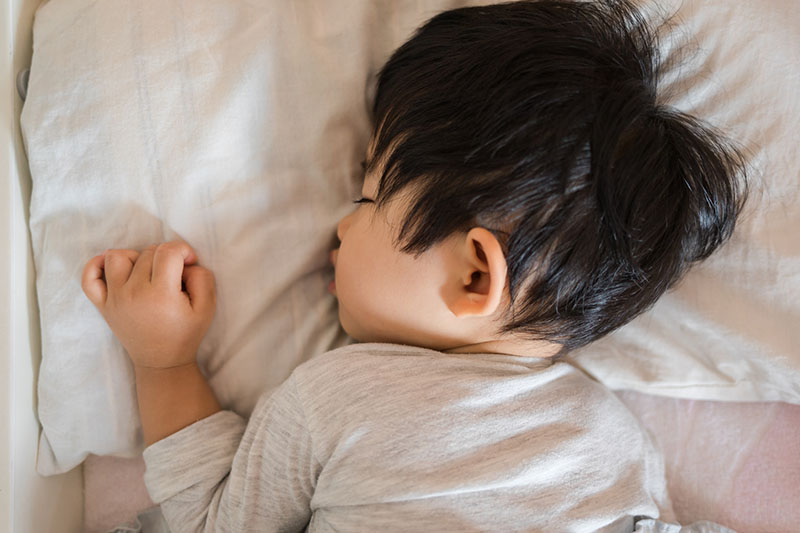
Sleep plays an important role in your child’s growth, learning and emotional well-being. Children aged 4 to 6 generally need about 10 to 13 hours of sleep each night, although some may still benefit from a short daytime nap.
When children get enough rest, they are usually better able to focus, manage their emotions and enjoy their daily activities.
Common Sleep Challenges
It is normal for young children to experience occasional sleep difficulties. Some may resist bedtime, wake during the night or call out for parents after lights out. Nightmares and night terrors are also common at this age.
Nightmares
Nightmares usually occur in the early morning hours when children are dreaming. Your child may wake up feeling frightened and be able to remember what happened in the dream.
If this happens, offer comfort and reassurance. A cuddle, a calm conversation and reminding your child that the dream was not real can help them settle back to sleep.
Night Terrors
Night terrors are different from nightmares. They typically occur within the first few hours of sleep. Your child may cry, sit up or appear awake, but they are actually still asleep and may not respond to you.
Although upsetting to watch, night terrors are usually harmless. Stay nearby to keep your child safe and allow the episode to pass. Most children fall back asleep quickly and do not remember it the next day.
Create a Consistent Bedtime Routine
A predictable bedtime routine helps children relax and prepare for sleep. Try to follow the same routine on weekdays and weekends.
A simple routine might include:
Bath time, brushing teeth and using the toilet.
Quiet activities such as reading a story, chatting about the day or listening to soft music.
Lights out and a goodnight cuddle.
Many children in this age group are ready for bed between 7.30 pm and 9.00 pm, depending on their daily schedule and wake-up time. If your child asks for endless stories or activities to delay bedtime, set clear and consistent limits, such as choosing two books each night.
If Your Child Keeps Getting Out of Bed
It is common for children to test boundaries at bedtime. To help your child settle:
Keep the hour before bedtime calm and screen-free.
Make sure the bedroom is comfortable, quiet and dimly lit.
Ensure your child has everything they need, such as a favourite soft toy or blanket.
If your child gets out of bed, calmly guide them back without lengthy discussions.
Stay consistent and repeat the same response each time.
If your child is afraid of the dark, a small night-light may provide reassurance.
Bedwetting at Night
Some children who are toilet-trained during the day may still wet the bed at night. This is common among young children and often improves naturally with age.
To support your child:
Ensure easy access to the toilet at night.
Use a night-light if needed.
Consider protective bedding or overnight pull-ups where appropriate.
Avoid criticism or punishment, as bedwetting is usually beyond a child's control.
If bedwetting continues to concern you, speak with your GP or paediatrician for advice.
Supporting Healthy Sleep Habits
Good sleep habits can prevent many common sleep problems. Encourage your child to:
Follow regular sleep and wake times.
Be physically active during the day.
Avoid stimulating screen use close to bedtime.
Enjoy a calming bedtime routine each night.
Children who have additional developmental needs may sometimes have more difficulty falling or staying asleep. Consistent routines and healthy sleep habits can be especially helpful. If sleep problems are ongoing, seek advice from a healthcare professional.
Key Takeaway
A good night’s sleep helps your child wake up refreshed, ready to learn, play and enjoy the day ahead. Small, consistent bedtime habits can make a big difference to your child’s overall well-being.