Families For Life | Using Attention to Improve Behaviour-Young Children
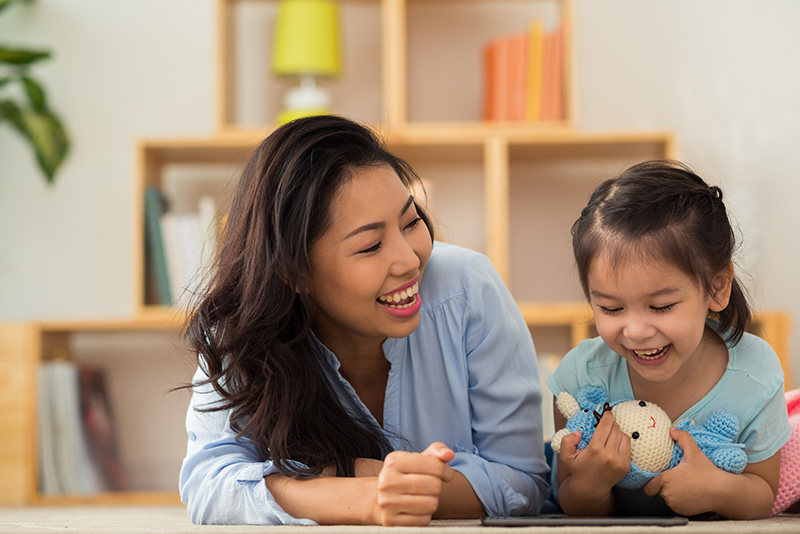
As a parent, you can show your child you love and accept them for who they are by providing them with unconditional warmth and acceptance. There is no single right or wrong way of doing so, as long as they can feel the care and affection that you have for them.
(i) Showing your child you love them unconditionally
Regularly expressing affection towards your child can help them feel loved and cared for. The way you do so should be adjusted according to their maturity, preferences, and personality.
What can you do to show your child that you love and care for them?
You can express your affections for your child through your words and actions, even when there are no special occasions or reasons. Some ways to do so include:
(ii) Ways to let your child know you accept them unconditionally
Each child has their own unique personality, strengths, weaknesses, and early experiences. As a parent, you play an important role in helping your child feel accepted and valued by showing you appreciate and admire their traits unconditionally.
Here are some examples of what you can do:
When you disagree with your child’s behaviour or opinion
Share with them the specific behaviour or opinion you do not agree with and why, while letting them know loving and accepting them unconditionally does not mean you accept bad behaviour.
For example, you can say, “I understand you are angry, but we don’t slam doors in this house as it is rude. If you’re angry and need space to calm down, let me know so we can find another time to talk about it. I love you no matter what.”
When your child makes a mistake
Reassure them that everyone makes mistakes, even yourself, and that mistakes are not a reflection of who they are as a person
Most importantly, let them know you still love them and want to help them work through the issue
Explain to them that mistakes are a healthy part of life and learning from these mistakes can help them grow
You can also help them reflect by asking questions like “What did you learn from this that can help you next time?” or “How can you grow from this experience?”
Contributed by: Parenting for Wellness