Families For Life | Preventing Strangulation and Suffocation-Babies
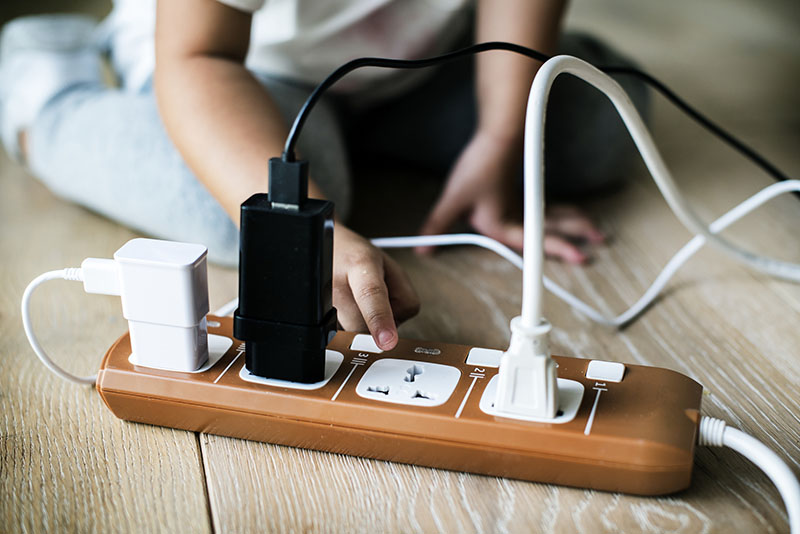
As babies grow and become more curious about the world around them, keeping them safe from suffocation and strangulation hazards becomes an important part of everyday parenting. Many of these risks are not immediately obvious, but with some awareness and simple precautions, they are largely preventable.
Sleep safety
The sleep environment is one of the most important areas to get right. Always place your baby on their back to sleep on a firm, flat surface — this is one of the most effective ways to reduce the risk of Sudden Infant Death Syndrome (SIDS). Keep the cot or bassinet free of loose items such as pillows, blankets, soft toys, and cot bumpers, all of which can pose a suffocation risk if a baby's face becomes pressed against them.
Avoid letting your baby sleep on soft surfaces such as sofas, armchairs, or adult beds, where they can become wedged or have their airway obstructed. If you use a baby monitor or any device near the cot, ensure all cords and cables are well out of reach.
Feeding safety
Feeding time carries its own set of risks. Never prop a bottle up for your baby to feed from unattended — this can cause milk to flow too quickly, increasing the risk of choking. Always hold your baby during feeds and keep them in a slightly upright position to help milk flow safely.
For babies who have started solids, be mindful of foods that pose a choking hazard, such as whole grapes, nuts, hard raw vegetables, and large chunks of food. Always cut food into small, manageable pieces and stay close during mealtimes.
Babywearing and carrying
For newborns especially, how you carry your baby matters. When using a baby carrier or sling, follow the T.I.C.K.S. guidelines — your baby should be Tight, In view at all times, Close enough to kiss, Kept chin off chest, and Supported back. A newborn's airway is easily obstructed if their chin drops to their chest, so always check that their head is well supported and their face is visible and clear of fabric.
Clothing and accessories
Certain items of clothing and baby accessories can pose strangulation risks that are easy to overlook. Avoid dressing your baby in clothing with drawstrings around the neck and remove any bibs or necklaces — including teething necklaces — before putting your baby down to sleep or leaving them unsupervised. Dummy clips and cords should never be long enough to wrap around a baby's neck.
Toys and the environment
As your baby begins to explore, small objects become a significant hazard. Regularly check the floor and your baby's play area for small items that could be mouthed or swallowed. Toys should be age-appropriate and checked for small parts that could detach. Avoid toys or mobiles with long strings or ribbons near the cot.
Blind and curtain cords are a well-documented strangulation hazard. Ensure all cords in your home are tied up, secured out of reach, or replaced with cordless alternatives. The same applies to any cables or wires within your baby's reach.c
Supervision and environment checks
No safety measure replaces attentive supervision. Regularly walk through your home with fresh eyes to identify potential hazards at your baby's level. As your baby grows and becomes more mobile, what was once out of reach may no longer be — so it is worth revisiting your home environment at each new stage of development.
When to seek help
If your baby experiences a choking or suffocation episode, knowing basic infant first aid — including how to perform back blows and chest thrusts — can be lifesaving. Consider attending an infant first aid course if you have not already done so. In any emergency, call for medical help immediately.